
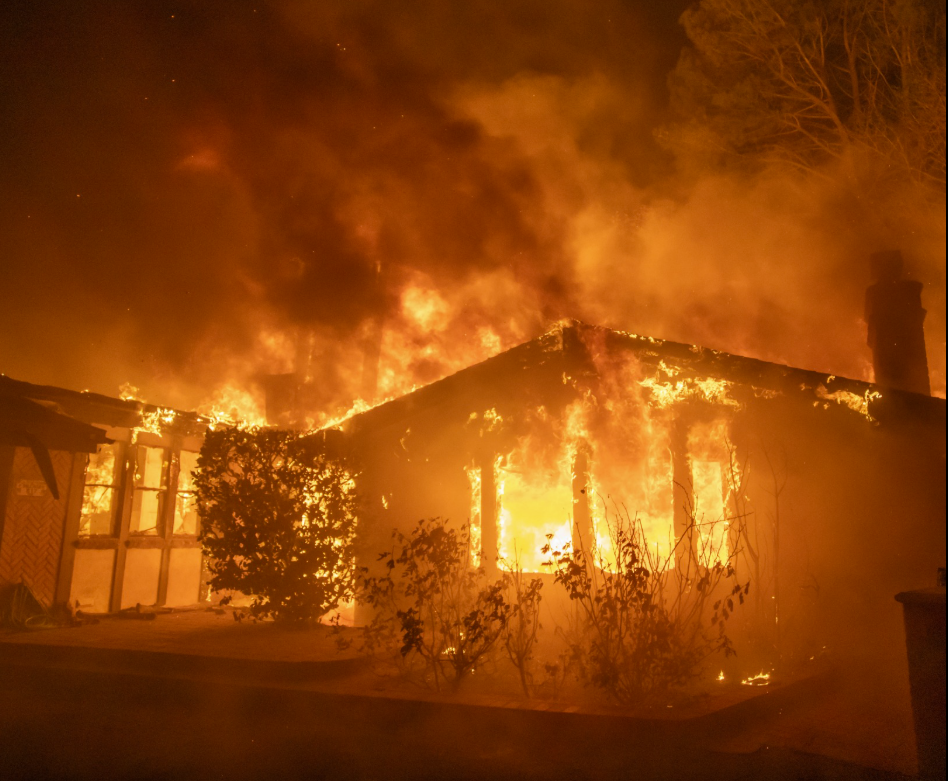
What actually burns, what protects us, and why policy keeps getting it wrong.
Cutting through the politics and pseudoscience shaping California’s wildfire policy — real and unfiltered
This is not a wildfire. It’s homes burning homes.
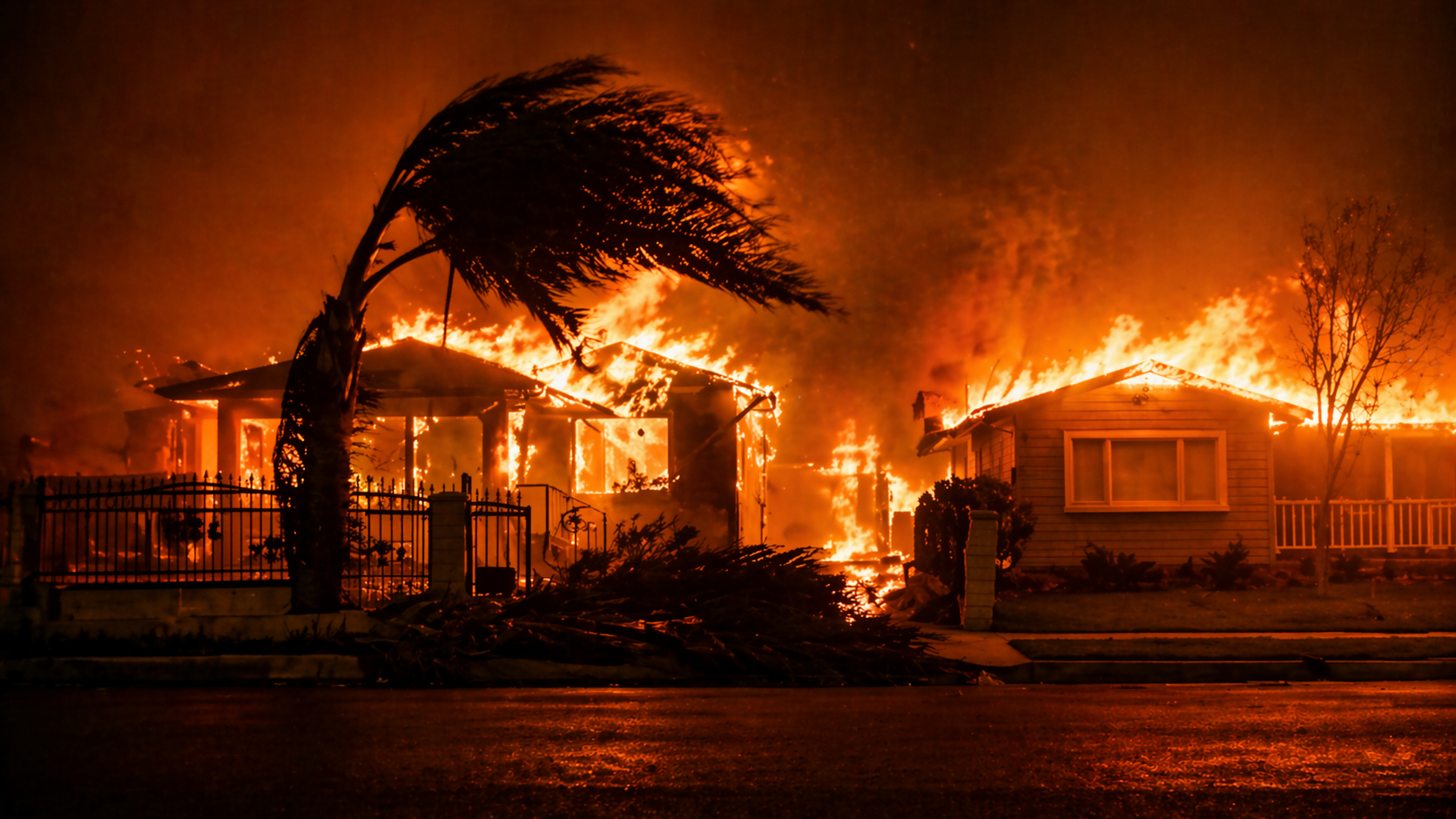
The 2025 fires in Palisades and Altadena were not moving through a Sierra pine forest. They were moving through a built environment where houses became the fire’s fuel.
How Urban Fires Work And Why It Matters
In the context of wildfires, an urban conflagration (UC) is a catastrophic fire event that can happen when spreading from wildlands to densely built environments under extreme weather conditions, often overwhelming emergency services and resulting in widespread destruction of structures, infrastructure, and livelihoods.
Unlike traditional wildfires or wildland-urban interface (WUI) fires, UCs spread within the built environment—often via embers and radiant heat, rather than through vegetation. Learn More
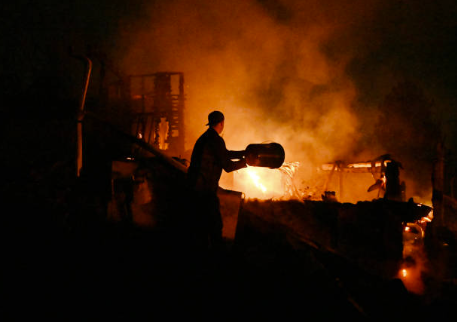
From Active Firefighting to Private Defense: How Did We Get Here From here?
California’s wildfire crisis didn’t just produce new fire science — it produced a new governing model. Under the banner of “Zone 0,” the state has quietly shifted wildfire defense from public agencies to individual homeowners, mandating the removal of living landscapes around millions of homes while offering no corresponding reduction in taxes, regulation, or risk. Read More →
Insurance Research or Regulatory Blueprint?
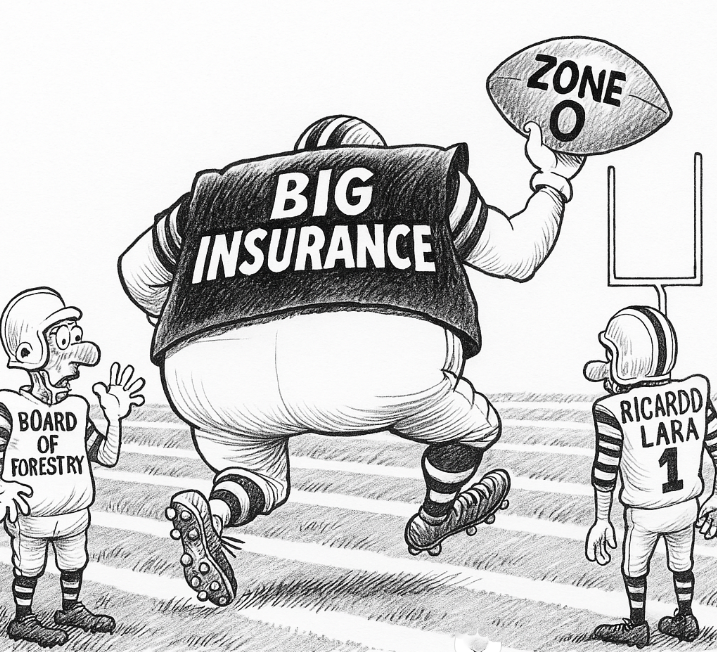
During the beginning of California’s Zone 0 rulemaking, IBHS published a paper urging stricter removal of plants within five feet of structures and recommending changes to the Board of Forestry’s draft language. Understanding how science becomes regulation is essential. Read the full breakdown.
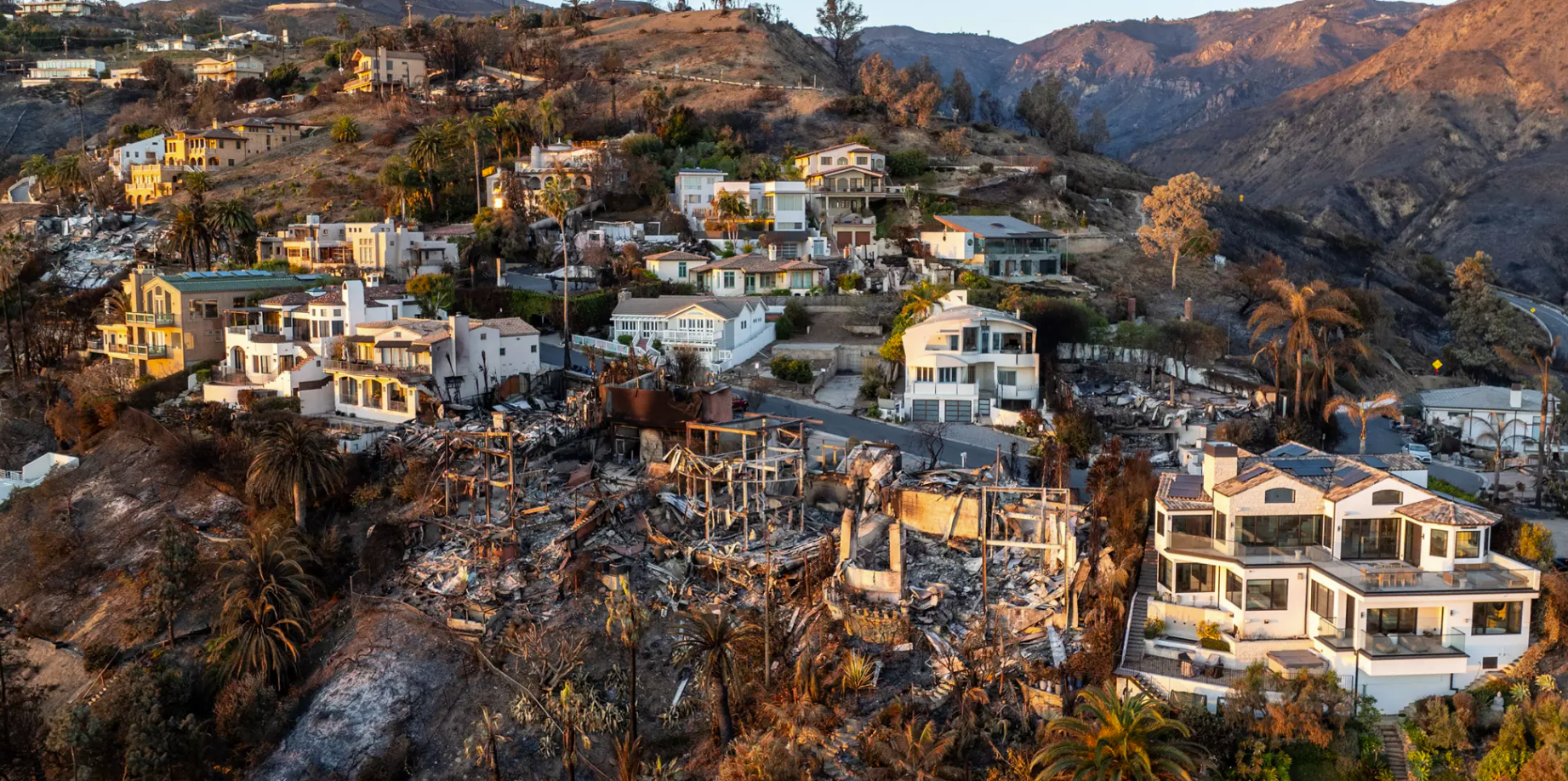
What People In the Palisades Need to Know: Wind + structure spacing > vegetation proximity
Recent reporting in the LA Times and associated investigative materials surrounding the Palisades fire risk misleading the public by implying that protected plants and sensitive habitats played a role in allowing the fire to escape containment. The record described in the report does not support that conclusion. Read More →
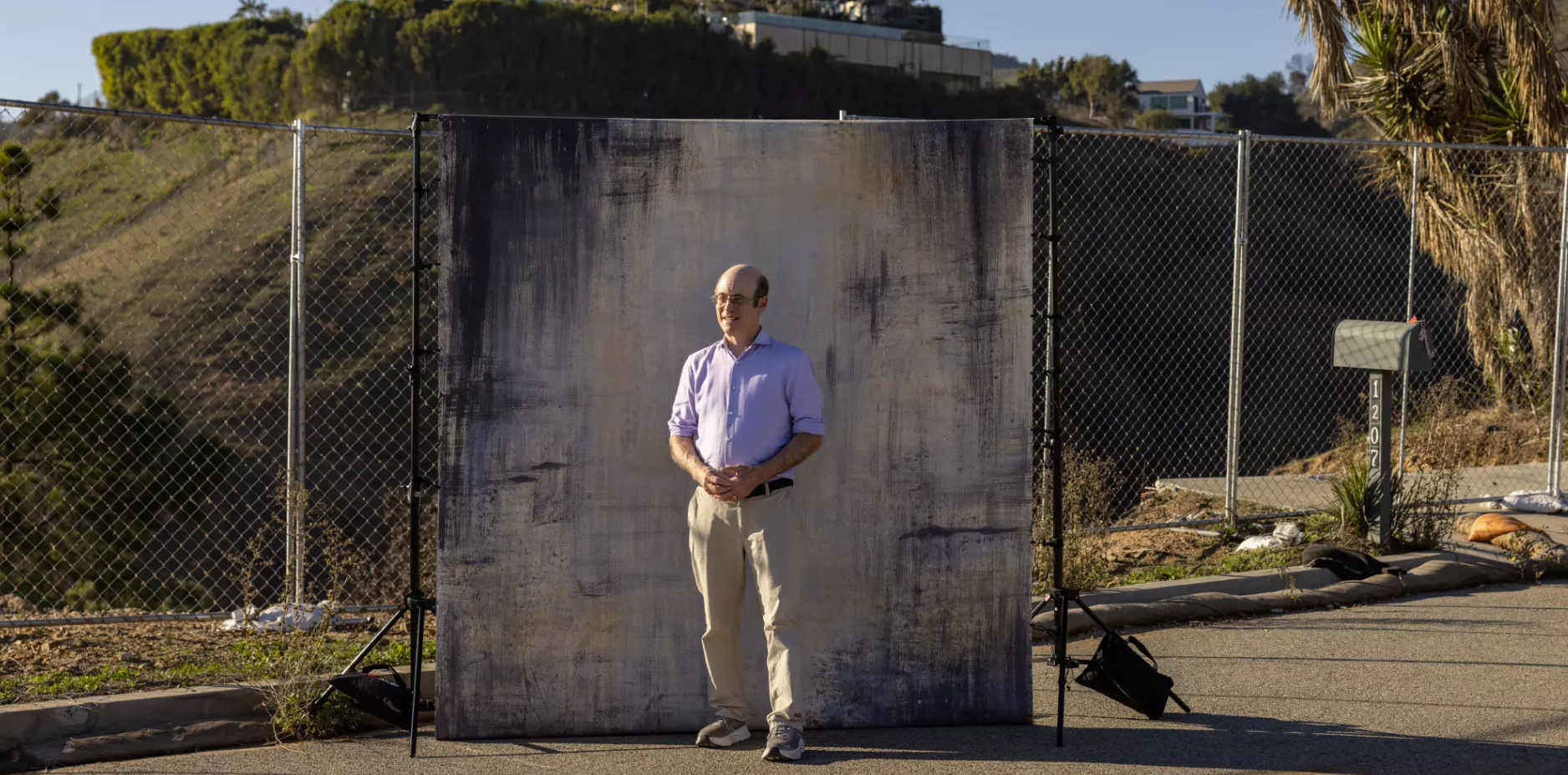
Wait…This is Fire Resilience?
This LA Times profile of a RAND researcher envisioning a “fire-resilient” Pacific Palisades reads less like journalism and more like a case study in how wildfire responsibility is quietly laundered through optimism, technology, and abstraction. The article frames the destruction of the Palisades as a “complex problem” best addressed through computer simulations and future-oriented design fantasies. Read More →

The Most Important Firestorm Defense You Never Hear Of
It isn’t vegetation clearance, a new building material, or a gravelized 5-foot zone around your house rule. It’s the distance between your house and your neighbors house. Read More →
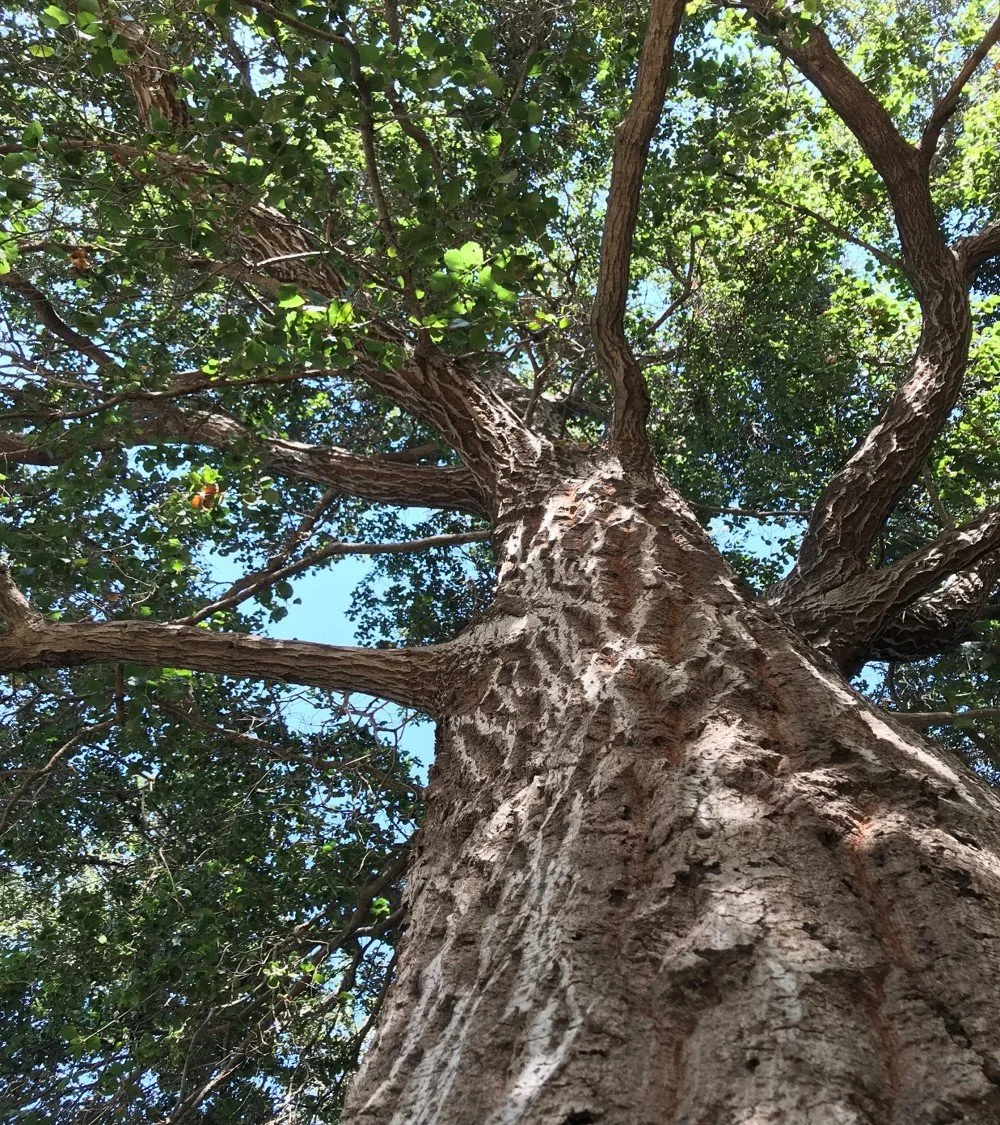
A Fire Buffer That Belongs in Cities
What if fire resilience in Los Angeles didn’t mean stripping neighborhoods bare—but restoring native oak woodlands in the places where heat, embers, and density collide? A closer look at how pocket parks and post-fire land use could reduce risk while restoring ecological function.
Read More →
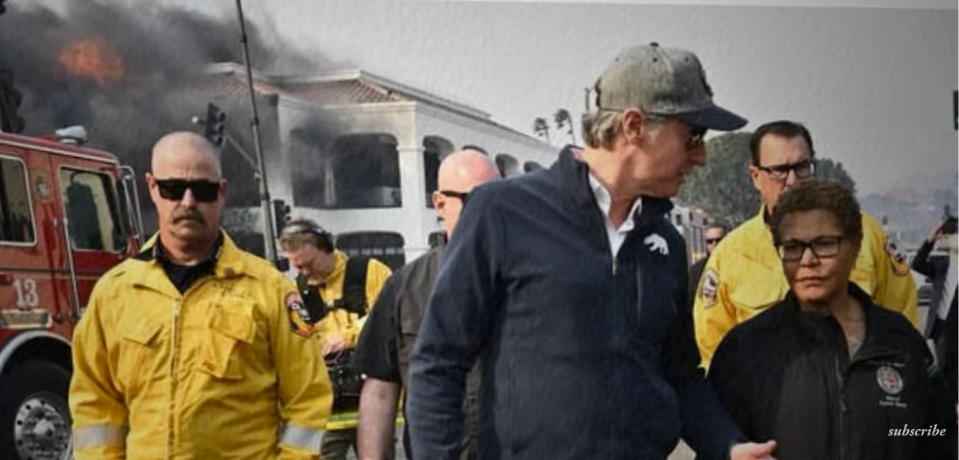
Do Zone 0 Homes Really Fare Better?
Reality-testing wildfire policy, media narratives, and official claims. An LA Times article draws on recent insurance industry claims that homes with a cleared “Zone 0” were less likely to burn in the Eaton and Palisades fires—and suggests this supports California’s proposed Zone 0 mandate. Let’s pause and reality-test that claim. Read More →
What UCLA Scientists Say We Know and Don’t Know About The 5-Foot Non-Combustible Zone.
In this UCLA Sustainable LA Grand Challenge webinar, researchers from across disciplines step back from the “soundbite science” that has dominated the defensible space debate and ask a more careful question: what does the strongest real-world evidence actually show about the drivers of home loss—especially in the first five feet around a structure? Watch the video →

How the Insurance Industry Quietly Rewrote California’s Fire Policy
When California Insurance Commissioner Ricardo Lara appeared on KGO-TV’s ABC 7 News, he promised to “stabilize the insurance market” and “get this done within one year.” His new “Sustainable Insurance Strategy,” he said, he would bring insurers back to wildfire-prone areas and lower premiums for homeowners. But as reporter Stephanie Sierra pressed him on-air, Lara’s plan revealed something else entirely. Read More →

“State Parks Provided Kindling” — A Claim In Search of Proof.
The headline in this article from Circling the News, “State Parks Provided Kindling for the January 7 Fire” makes a definitive accusation. The problem is simple: The article never proves it. It substitutes proximity, insinuation, and tone for evidence — and that matters, because it shifts blame from decision-making failures to conservation staff without meeting even a basic factual standard. Read More →
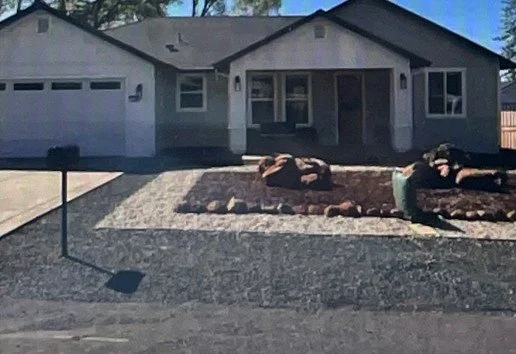
Is Zone 0 Scam or Salvation?
Governor Gavin Newsom signed AB 1455, authorizing the State Board of Forestry and Fire Protection to impose new “Zone 0” regulations— a no plant zone—within five feet of every structure in California in the very high fire hazard severity zones. Read More →
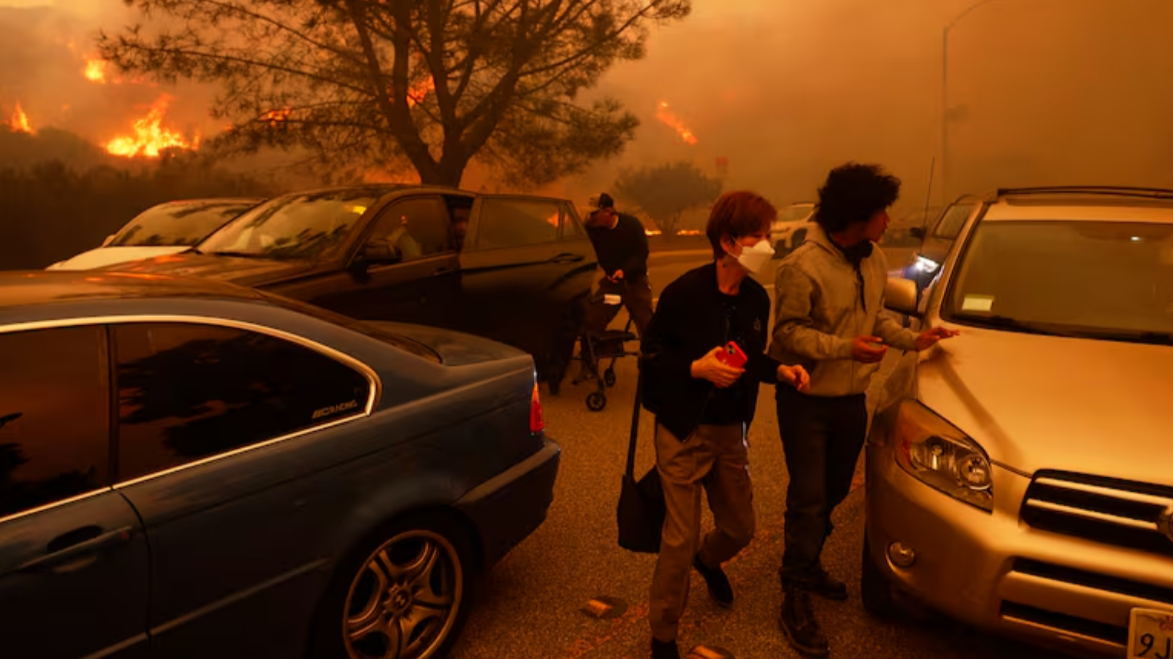
This Is the Truth About Urban Firestorms
You’ve probably been told some version of this story:
“These fires are getting worse because of climate change.”
Climate change is real. But that explanation does not tell you why neighborhoods in Los Angeles burned the way they did. And worse—it hides the decisions that made those losses far more likely. Here is the part too many officials and influencers avoid saying out loud Read More →