
Post-Fire Planting
A Homeowner’s Guide for Altadena & Pacific Palisades
Why Planting Decisions Matter After Fire
Replanting after a wildfire is not simply a cosmetic choice. The plants selected now will influence soil stability and erosion, water use, long-term maintenance, wildlife recovery, biodiversity and how landscapes behave in future wind events.
After fire, many homeowners are reliant on generic, ornamental landscaping approaches that may not be suited to post-fire conditions and high fire zones, long-term. This creates landscape failure common with ornamental plantings and missed opportunites.
What the Land is Already Telling Us
Early field surveys conducted from late summer through early winter 2025 show that approximately 53% of early post-fire regrowth are native plants. This matters. It means native plant communities are naturally re-establishing, and replanting can work with recovery rather than against it.
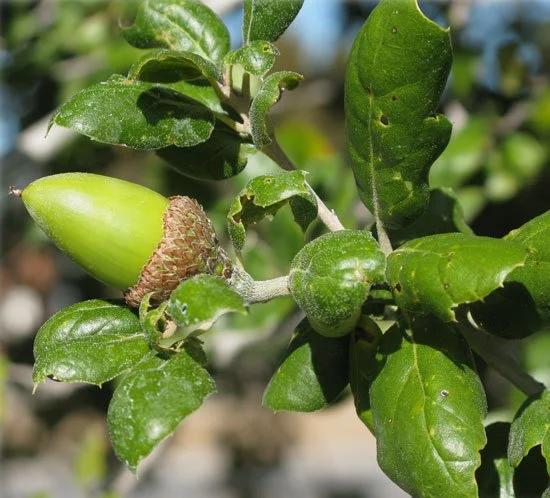
One of the most important — and often overlooked — plant communities shared by both Altadena and the Palisades is oak woodland. Both scientists and firefighters alike have been suggesting planting them around residential areas and roadsides to guard against fires because coast live oaks (Quercus agrifolia), in particular, create a mesic environment that reduces wind speeds and temperatures. Read more →
Your Neighborhood Matters
Below are neighborhood-specific recommendations for homeowners in Altadena and Pacific Palisades, based on elevation, climate, and natural plant communities that are already re-emerging.
Altadena Homeowners
(Foothill / warmer days, colder nights)
What’s already happening
Many Altadena properties are seeing native plants return on their own. This is a good sign — it means the soil and seed bank are still alive.
Good choices to replant with
Trees
Coast Live Oak
Valley Oak (site-specific)
Western Sycamore (in low or moist areas)
Shrubs
Toyon
Coffeeberry
Manzanita (appropriate slopes only)
Ceanothus (right plant, right place)
Groundcover & grasses
California Buckwheat
Black Sage
California Sagebrush
Native bunchgrasses
Why these work here
They match Altadena’s foothill conditions, stabilize soil, and recover naturally after disturbance better than ornamental plants — without heavy watering long-term.
Pacific Palisades Homeowners
(Coastal / windy / marine layer)
What’s already happening
Native coastal plants are naturally re-growing in the burn zone. This means native plants play an essential role here. They recover after a fire, and reduce soil instability.
Good choices to replant with
Trees
Coast Live Oak
California Black Walnut (select areas)
California Bay (sheltered canyons)
Shrubs
Laurel Sumac
Lemonade Berry
Dwarf Coyote Brush
Hollyleaf Cherry
Groundcover & slope stabilizers
Dudleya species
Bush Sunflower
California Buckwheat
Native sedges in shaded areas
Why these work here
They’re built for wind, drought, and coastal conditions — and help stabilize slopes better than many ornamental plants without heavy watering long-term.
*A word about native and non-native plants
This guide emphasizes native plants because they are well adapted to Southern California’s climate, soils, and fire cycles — and because many are already returning naturally after the fire. That said, this is not a “native plants only” rulebook. There are non-native plants that perform very well in high fire zones when they are thoughtfully placed and properly maintained. Some have high moisture content, stay green through dry seasons, and provide real habitat value. If you have a non-native plant you love that survived the fire, you don’t necessarily need to remove it. The key is keeping it healthy, hydrated, and free of dead material.
A Note About Fire Safety (and the pressure you may feel)
You may hear that:
~ “Clearing everything near the house is safest”
~ “Home hardening will save your home”
~ “Plants are the problem”
The reality is more nuanced.
Fire safety is about:
~ Healthy, hydrated plants
~ Thoughtful placement, not fear-based removal, plants spaced unnaturally far apart with bare or gravelized islands between
Bare soil dries faster, erodes more, and often creates new problems. Gravel heats up.
You don’t have to decide everything at once
Many homeowners feel rushed to replant immediately. You’re allowed to:
~ Start small
~ Observe what’s returning naturally
~ Phase planting over time
~ Ask for help
Early surveys show that over half of post-fire regrowth is already native. The land is working with you.
What this guide is — and isn’t
✔ Practical, local, homeowner-friendly
✔ Grounded in ecology and recovery
✔ Flexible for different property sizes
✖ Not a mandate
✖ Not a guarantee
✖ Not about blaming anyone for fire losses