
Helping Angelenos make homes safer in the fire hazard zones
❋ Science - Based
Peer-reviewed research and real-world evidence
❋ People & Home
Practical solutions to reduce risk and increase safety
❋ Informed Choices
Knowledge empowers Angelenos to make better decisions
❋ Habitat & Biodiversity
Healthy landscapes support wildlife and increase safety
New Research
❋
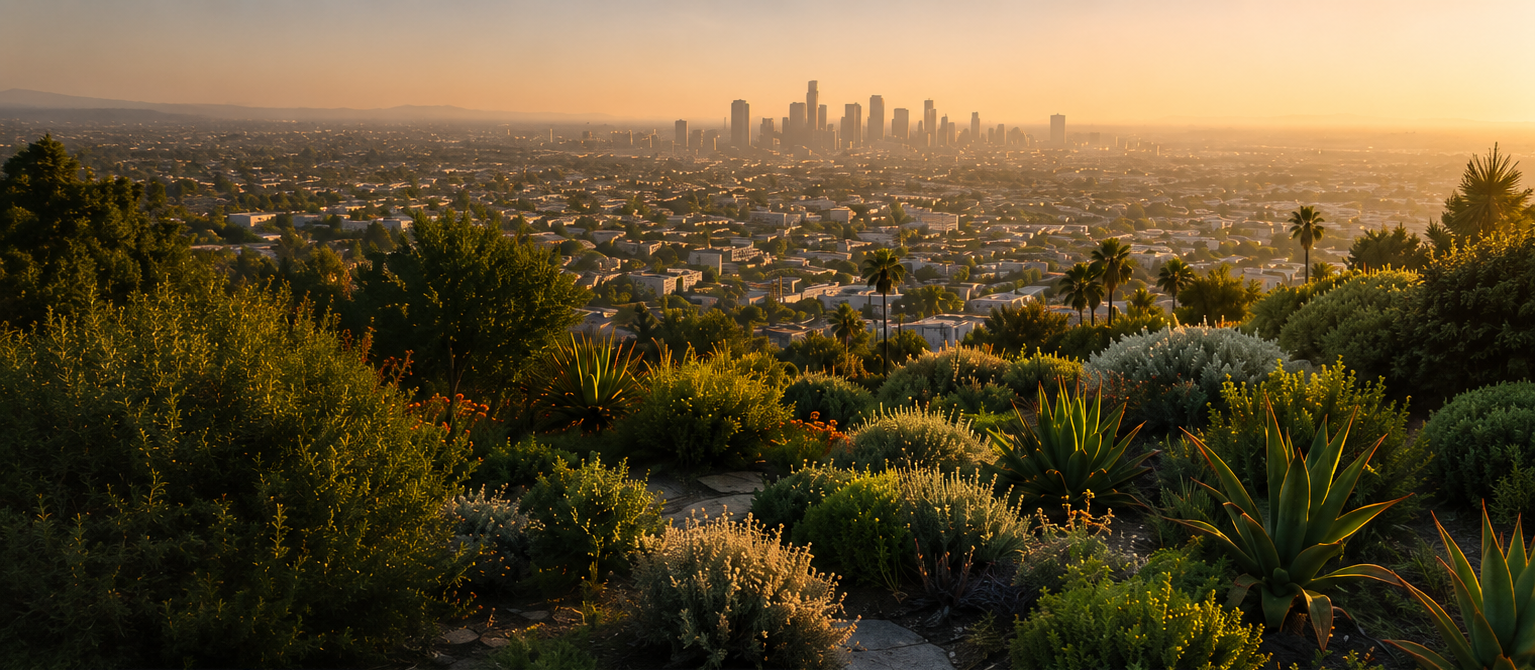
“ Low moisture and bare ground cover are associated with higher risk of building loss, while vegetation - particularly when it provides shade - is associated with lower building loss”
- Dr. Francisco Escobedo, U.S. Forest Service
Science Library
Understanding the evidence. Peer-reviewed research explained in plain English to help homeowners, communities, and policymakers make informed decisions.
Can lightly hydrated native plants around homes reduce fire hazard?
Quick Take: Native plants that received a small amount of irrigation stayed healthier and burned less intensely than native plants that had no irrigation and were trimmed and thinned. They also continued to provide wildlife habitat and other ecological benefits
Keeley, J.E., Rubin, G., Brennan, T., & Piffard, B. (2020)
Start Exploring

Articles & Insights
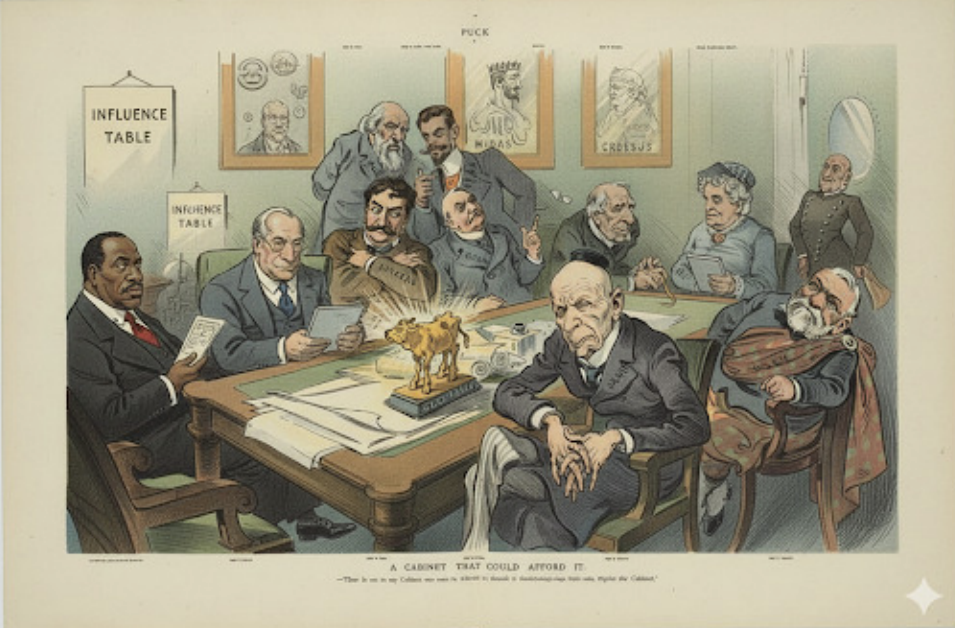
Emails (May 2025) between a California Board of Forestry Zone 0 Committee member, Berkeley Fire Department Assistant Chief Dave Winnacker and a Cal Poly fire institute director — both active in the Zone 0 marketplace — offers a rare look inside the policymaking process that is reshaping wildfire regulations in our yards. Read More →
What Zone 0 Influencers Say About the Problem with Zone 0 in Private
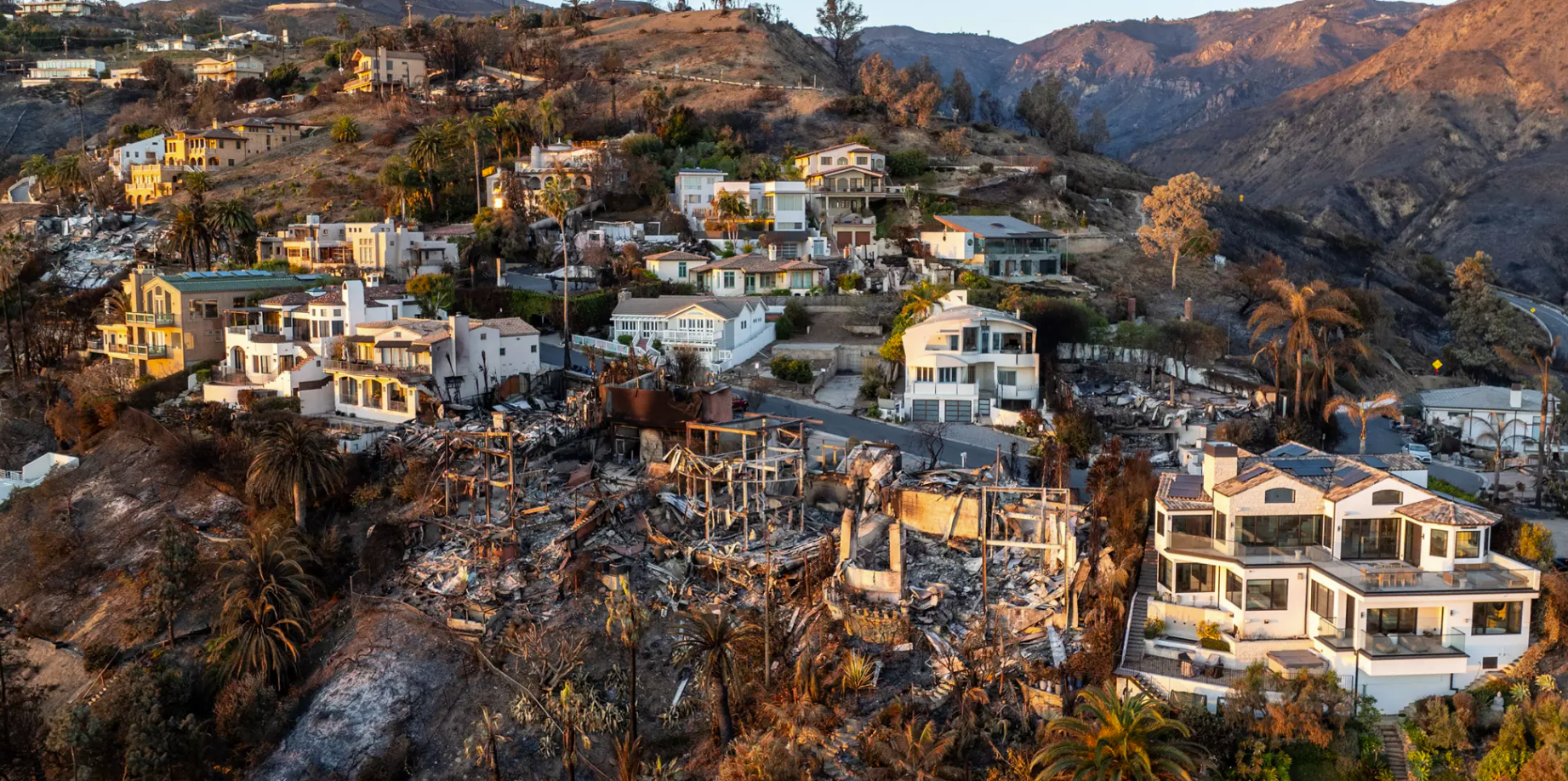
Reality-testing wildfire policy, media narratives, and official claims. An LA Times article draws on recent insurance industry claims that homes with a cleared “Zone 0” were less likely to burn in the Eaton and Palisades fires—and suggests this supports California’s proposed Zone 0 mandate. Let’s pause and reality-test that claim. Read More →
Do Zone 0 Homes Really Fare Better?
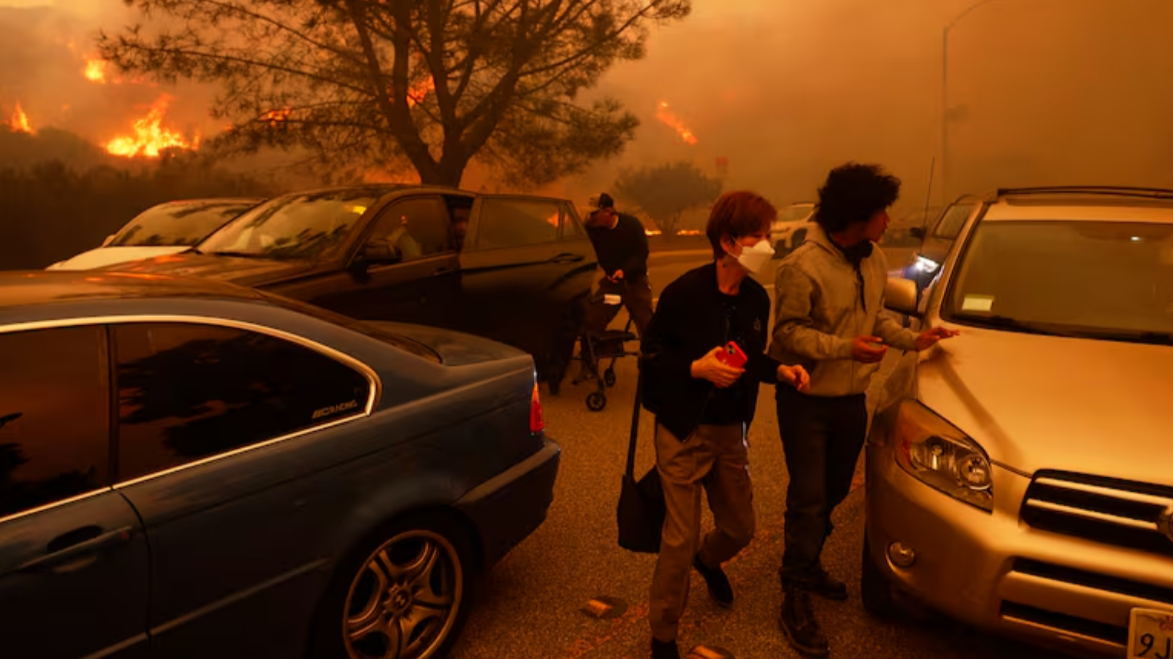
The headline in this article from Circling the News, “State Parks Provided Kindling for the January 7 Fire” makes a definitive accusation. The problem is simple: The article never proves it. It substitutes proximity, insinuation, and tone for evidence — and that matters, because it shifts blame from decision-making failures to conservation staff without meeting even a basic factual standard. Read More →
“State Parks Provided Kindling” — A Claim In Search of Proof.

Los Angeles Homeowner & Resident Organizations Reject Proposed Zone 0 Regulation
Urge the Board of Forestry to adopt science-based, locally informed fire-safety policy that reflects urban fire risk .